Chemical Peels Treatment In Hyderabad
If you’re interested in chemical peel treatment, schedule a consultation with Dr. Aditi Jaiswal at our skin clinic.
Chemical peels have become increasingly popular as a skincare treatment to achieve a youthful and radiant complexion. If you’re looking to rejuvenate your skin, reduce acne scars, or minimize fine lines and wrinkles, chemical peels could be the solution for you. In this article, we will delve into the world of chemical peels, exploring their benefits, different types, and what to expect during and after the treatment.
What are Chemical Peels?
Chemical peels have become increasingly popular as a skincare treatment to achieve a youthful and radiant complexion. If you’re looking to rejuvenate your skin, reduce acne scars, or minimize fine lines and wrinkles, chemical peels could be the solution for you. In this article, we will delve into the world of chemical peels, exploring their benefits, different types, and what to expect during and after the treatment.
Benefits of Chemical Peels:
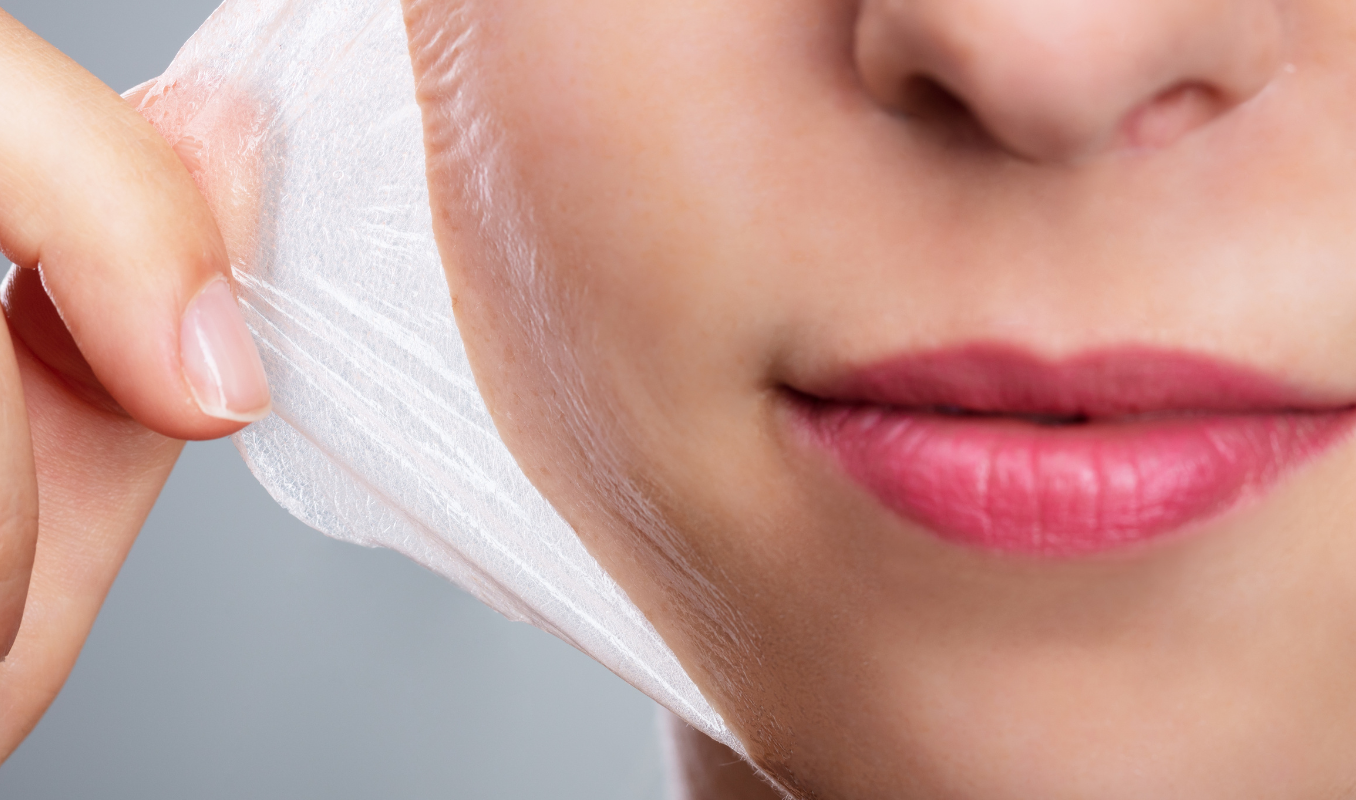
- Improved Skin Texture: Chemical peels promote cell turnover, resulting in a refined skin texture and reduced appearance of fine lines, wrinkles, and acne scars.
- Even Skin Tone: By targeting areas of hyperpigmentation, chemical peels help to even out skin tone, reducing the appearance of dark spots, melasma, and sun damage.
- Acne Treatment: Chemical peels can effectively unclog pores, reduce acne breakouts, and diminish the appearance of acne scars.
- Brightened Complexion: Chemical peels stimulate collagen production, which enhances skin radiance, giving you a brighter and more youthful appearance.
Different Types of Chemical Peels
- Superficial Peels: Also known as light peels, these are mild treatments that typically involve alpha-hydroxy acids (AHAs) or beta-hydroxy acids (BHAs). They primarily target the outermost layer of the skin, making them suitable for improving skin tone and texture with minimal downtime.
- Medium Peels: Medium-depth peels often use trichloroacetic acid (TCA) and penetrate deeper into the skin. They are effective for treating fine lines, wrinkles, and moderate skin discoloration. Recovery time may vary, and it’s crucial to follow post-treatment instructions.
- Deep Peels: Deep peels are the most intense chemical peel option, utilizing phenol or high-concentration TCA. They target deep wrinkles, severe sun damage, and significant skin discoloration. Deep peels require a longer recovery period and should be performed by a trained professional.
Different Types of Chemical Peels
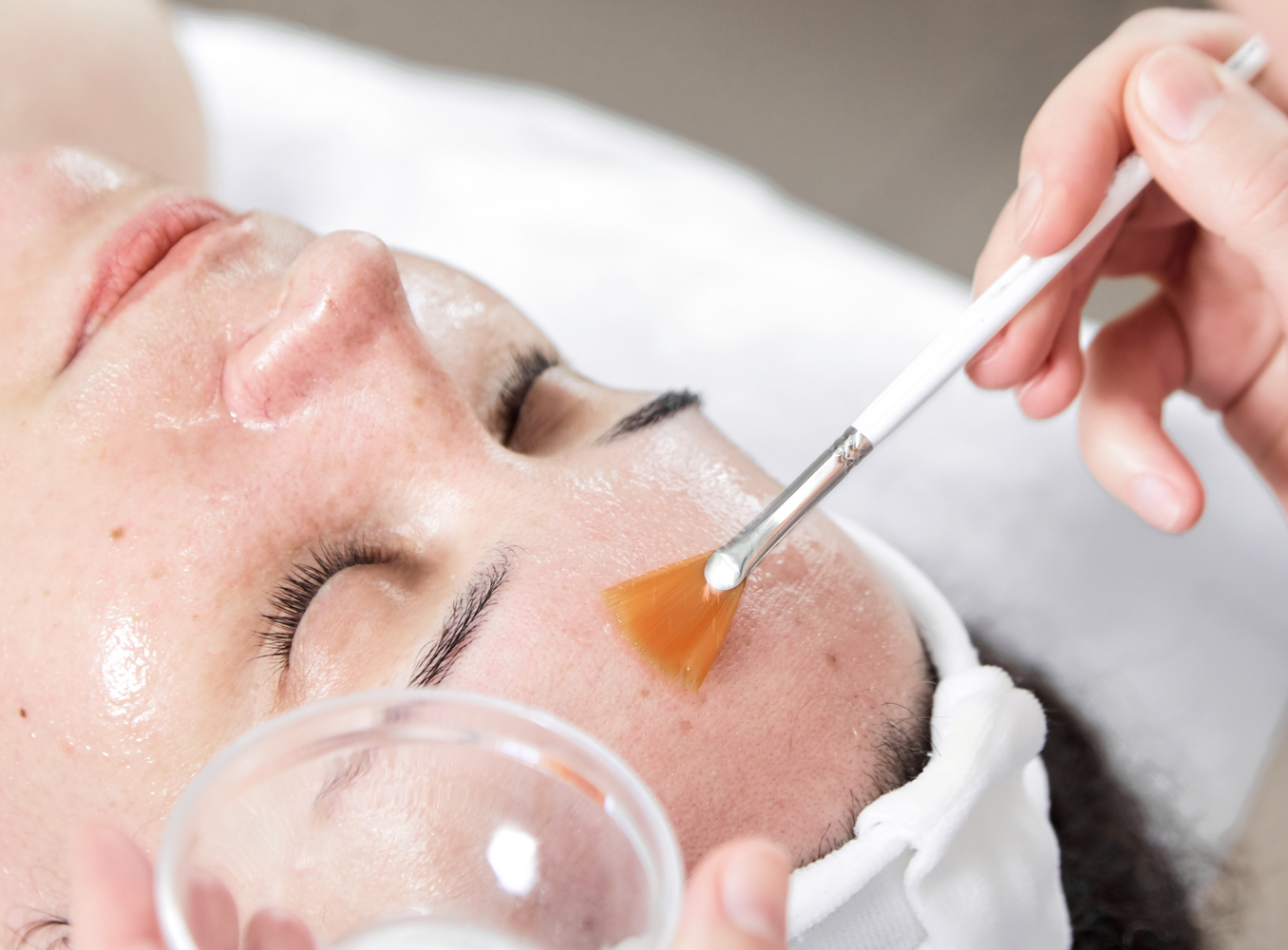
Before the treatment, a consultation with a dermatologist is recommended to determine the most suitable type of chemical peel for your specific skin concerns. During the treatment, the chemical solution is applied to the skin, which may cause a tingling or mild stinging sensation. The duration of the treatment can vary depending on the peel’s strength and the desired results. Afterward, the skin may appear red and feel slightly irritated, but this typically subsides within a few days.
Post-Treatment Care: To optimize results and ensure proper healing, it’s essential to follow post-treatment instructions provided by your skincare professional. This may include avoiding sun exposure, using gentle skincare products, and applying moisturizer regularly. It’s crucial to keep the skin hydrated and protected during the recovery period.
Various peels available: TCA , cosmelan, dermamelan, glycolic, salicylic peel,